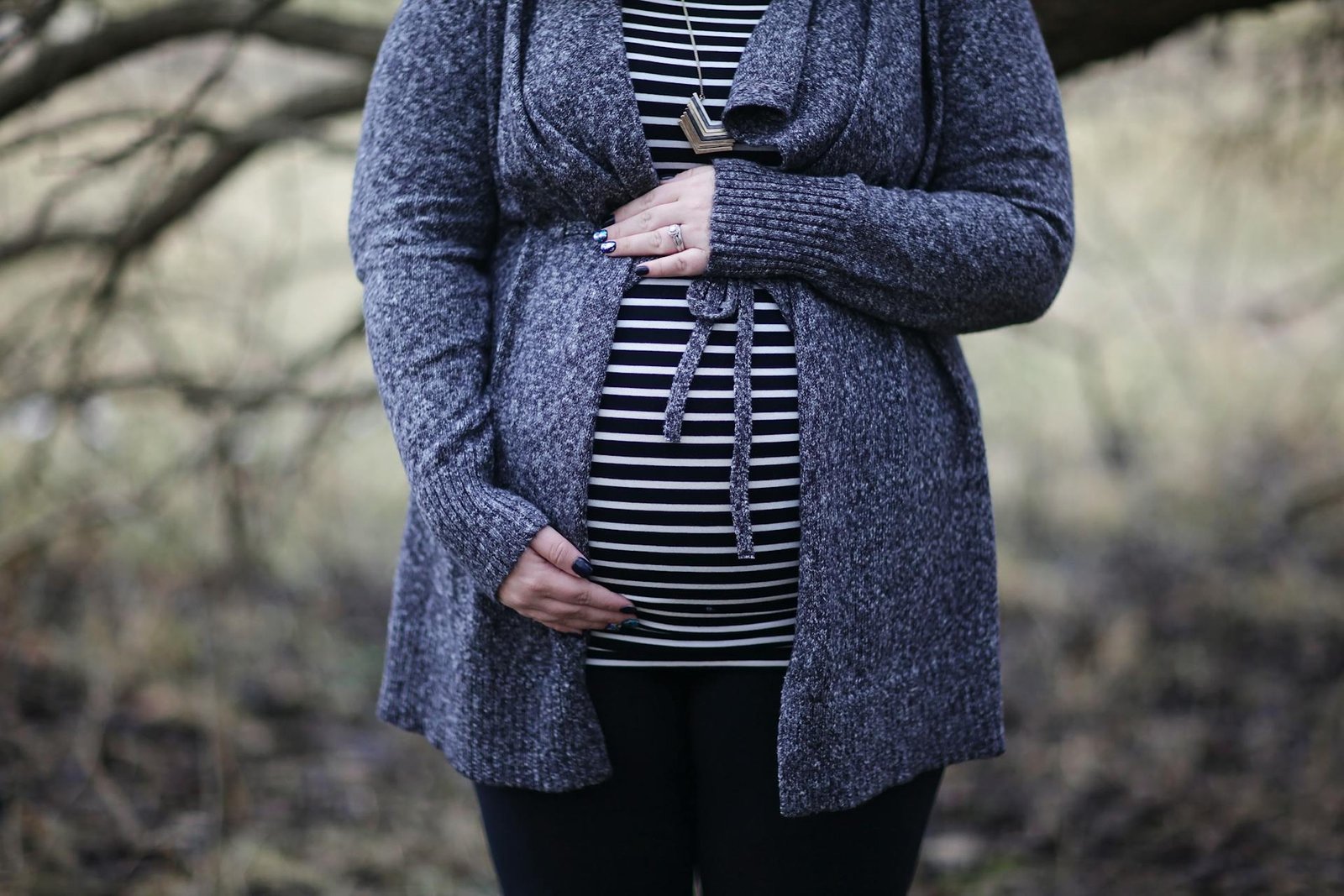
Well, I’m pregnant again.
My first pregnancy was not easy, and I was not looking forward to ever having to do this again, but watching my daughter grow over the last year, I knew that I wanted her to have a sibling; a friend for life who would be there for her even when I cannot.
Things are quite a bit different this time around. I feel so much more prepared, and I know what’s coming.
Everyone is different, and every pregnancy is unique, but because I was so entirely unprepared the first time around, I thought I would share my journey with others in case it provides some helpful tips, ideas, or even just the knowledge that you’re not alone in this, and pregnancy is not always as easy or as beautiful as social media would lead you to believe.
Below I will reveal some of my biggest learnings from my first pregnancy and the things I’m planning on doing differently this time.
Nausea
Nausea is probably one of the most common pregnancy symptoms, and one that everyone has heard about.
Most of my knowledge about nausea in pregnancy came from movies, where you see someone run over to a trashcan to throw up, and that’s the first time they realize they’re pregnant.
I found out I was pregnant at about 4 weeks, after taking a pregnancy test. I was actually completely shocked that I was pregnant because I didn’t feel any different. I did not have any nausea or any other symptoms. At 5 weeks and 6 weeks, I still didn’t feel nauseous at all, so I thought maybe I would be one of those fortunate few who just didn’t get nauseous.
At the end of six weeks, though, I started to get an uneasy sensation in my stomach. By seven and eight weeks, I was pretty nauseous.
I had my first OB appointment at eight weeks, and at that appointment, they asked if I wanted a prescription to help with the nausea. I declined, thinking it wasn’t that bad, and I didn’t want to take any medication during pregnancy that wasn’t absolutely necessary.
A few weeks later, I would live to regret that decision.
Around 10 weeks, I started throwing up. One day, it got so bad that I couldn’t even keep water down. After about 24 hours of constant throwing up, I finally called my doctor to get a prescription for Zofran to help with the nausea. At that point, my nausea had escalated to an emergency. I was so dehydrated that if I didn’t do something to address the situation, I would have had to go to the hospital for an IV to treat the dehydration.
In that moment, I was more concerned about the effects of dehydration and malnutrition on my baby than I was about the effects of Zofran.
Zofran is not an FDA approved drug for pregnancy. It’s typically prescribed for helping with nausea caused by cancer treatment. Studies are mixed about whether or not Zofran has any negative affect on a pregnancy, but the consensus is that any risk is pretty low.
For me, it was an option between taking the Zofran or going to the hospital because I couldn’t keep anything down.
There are a lot of other recommendations people have shared to try and manage nausea, like eat small frequent meals, chew on ginger, or suck on some hard candies, but none of that actually helped to keep me from throwing up.
Once it started, I probably threw up every day for about two months before it finally calmed down, and I had a lingering nauseous feeling for almost the entirety of my pregnancy.
This time around, I plan to get the prescription for Zofran early to have on hand, and if I don’t need it, that would be great, but if I do, I don’t want to be stuck in the situation I was before, needing the prescription and not having it.
Exercise
Everyone agrees that exercise is extremely important for pregnancy. Even before pregnancy, exercise has always been a very important part of my life. In high school, I ran cross-country and track, I played soccer, and I participated in activities like hiking and snowboarding. As I have gotten older, I have continued to focus on running and weight lifting for exercise.
I always planned on having an extremely healthy pregnancy. I was going to do all the right things: eat healthy, exercise, and take care of my growing baby.
Reality had different plans.
When you’re pregnant, you have a whole slew of hormones racing through your body that you never had to deal with before. Relaxin is one of the well-known hormones that causes your joints and ligaments to loosen up in preparation for childbirth.
I don’t know if this is exactly what caused the issues I experienced, but very early on in my pregnancy, I had severe musculoskeletal problems, particularly in my pelvis. Running wasn’t an option early on, so I thought I could do an easy 30 minute walk every day to stay fit. I got on the treadmill, set it to a steep incline, and started walking. Shortly into the walk, I could tell I was hurting, but I pushed through. The next day, I was in so much pain, I could barely move. This happened every time I tried to go for a walk. Afterward, I would be in excruciating pain. My joints would be stiff and sore. Everything ached. Eventually, I gave up trying.
After that, I spent the majority of my pregnancy sitting on the couch, doing very little physical exercise at all. I felt completely defeated.
I looked forward to giving birth and having my 12 week maternity leave to recover and get back in shape. I was itching to lose the baby weight and get back to my pre-baby fit and healthy self. About a week after giving birth, my husband and I went for a walk around our neighborhood. The entire loop is about a half mile. Halfway through the walk, I could tell I was starting to hurt. The next day, I couldn’t walk at all. I couldn’t put any weight on my right hip, and I was hobbling around on one leg trying to take care of our newborn. It took me five weeks to recover from that short half mile walk. It was so bad, I contacted a physical therapist and started physical therapy to try to heal.
After that, I was desperate to get back in shape and frustrated by the limitations of my body. Once I had healed enough to start being more active, I devised a gameplan to try and exercise without injuring myself. I started focusing on low-impact exercise. I went to the gym in the mornings while my husband watched the baby, and I swam laps in the pool or used the elliptical and did my physical therapy exercises. Gradually, I began to improve, but it wasn’t until I stopped breastfeeding almost a year later that my hormones calmed down and I could finally exercise again without pain.
I learned a lot from this experience.
- You need to listen to your body. If something hurts, stop.
- Don’t set unreasonable expectations for yourself, and give yourself some grace. You don’t have to be perfect. You don’t have to lose all the baby weight in the first 6 weeks after birth. Don’t compare your pregnancy to others. You are on your own unique journey, and you need to go at your own pace.
- Exercising during pregnancy is extremely important to help you recover faster postpartum. If something isn’t working for you, rather than giving up, adjust your routine. Focus on low-impact exercises and workouts that fit your lifestyle, schedule, and limitations of your body.
This time around, I’m prioritizing my exercise and fitness. I’m working out on the elliptical 20 minutes every morning. I’m lifting weights and stretching and doing pregnancy-friendly yoga. I’m focusing on the low-impact things I can do to keep my body moving without causing injury.
Constipation
Not enough people talk about constipation during pregnancy. This was one of the symptoms I was most surprised by. Pregnancy hormones slow down your digestive system, causing severe constipation. I found that I had to take Miralax almost every day, and I worked to add high-fiber foods to my diet, like chia seeds. I had never experienced constipation in my life like I did during pregnancy.
This time around, I’m prepared. I’m stocked up on Miralax, and I’m being diligent about taking it every day or every other day to keep things moving. So far, things have been much better, but it’s something you need to stay on top of.
Melasma
Some people are more prone to melasma, or darkening of the skin on the face and other areas. I am clearly someone who is very prone to this condition. The best thing to do is to try and prevent melasma, because once you have it, it’s extremely stubborn to try to resolve. I gave birth in June, so most of my pregnancy was in the winter when I didn’t experience a lot of sun exposure. But in the spring and summer months, when the sun started getting more intense, I started to notice darkening on my face around my temples, cheeks, forehead, and upper lip. To prevent melasma, you should be wearing sunscreen every day (preferably a mineral sunscreen to avoid the chemicals in other forms of sunscreen), and you should wear a wide-brimmed hat when going outside. I did neither of these things, and now I’m paying the price.
What I didn’t realize is that melasma would continue to be a problem after birth because of breastfeeding and the hormones associated with that.
This time around, I’m working to be much better about this, but unfortunately the damage is done. Once I’m done with this second pregnancy, I’ll need to work with a dermatologist on solutions, such as Tri-Luma cream or potentially even laser treatment to even out my skin tone again.
Congestion
This was another symptom no one told me about. People talk about how you get an amazing sense of smell when you’re pregnant, but they don’t talk about the horrible congestion you get because all the blood vessels in your nose are dilated. Throughout the entire pregnancy, I was completely stuffed up and had a horrible time trying to sleep at night. And what’s worse, you can’t take any medication for it. The most you’re able to do is a nasal spray, but that provides minimal and temporary relief.
Food Aversions
People talk about strange cravings you get when you’re pregnant, but I did not have any cravings. Instead, I had food aversions, and aversions to literally everything. Nothing sounded good, nothing tasted good, everything made me nauseous. In the first trimester, I couldn’t drink coffee, I couldn’t eat meat, I couldn’t eat anything with too strong or rich of a flavor. I survived on buttered bread and carb-y foods, and even that was not enjoyable. I essentially forced myself to eat because I had to, but nothing sounded or tasted good.
I started eating a lot of ice cream because the cold, creamy-ness of the ice cream seemed to help my nauseous stomach. Unfortunately, I think this is a big part of what caused my extreme weight gain during pregnancy. They say you should gain 25 to 35 lbs during pregnancy. At the height of my pregnancy, I had gained 63 lbs. Now, over a year later, I still have not lost all that weight, and I’m still recovering and working at it every day.
When you’re suffering from severe food aversions or nausea, you eat what you can, but this time around, I’m working to be much more conscious of the things I’m eating, and I’m trying to avoid binging on things like ice cream just because I don’t feel good. This short-term relief has led to a long-term struggle that I’m still dealing with.
Key Takeaway
The biggest thing I learned from pregnancy the first time around is to not compare myself to others and to not get discouraged when I’m not able to do all the things I expected to do. My body is designed to do exactly what it needs to do, and I need to listen to it. When it’s telling me something hurts, I need to stop or slow down or adjust. But I also can’t give up. If a certain type of exercise isn’t working, I need to find one that does work. I can’t spend nine months sitting on the couch eating ice cream and think that I’m going to be able to recover after giving birth. That’s not the reality. Our bodies are designed to move, and we need to find the movement and exercise that works for us.
Pregnancy isn’t easy. It’s hard. It’s a lot to go through. But our bodies are doing amazing things, and we need to give ourselves grace.